How to Photograph a 3 Month Old Baby
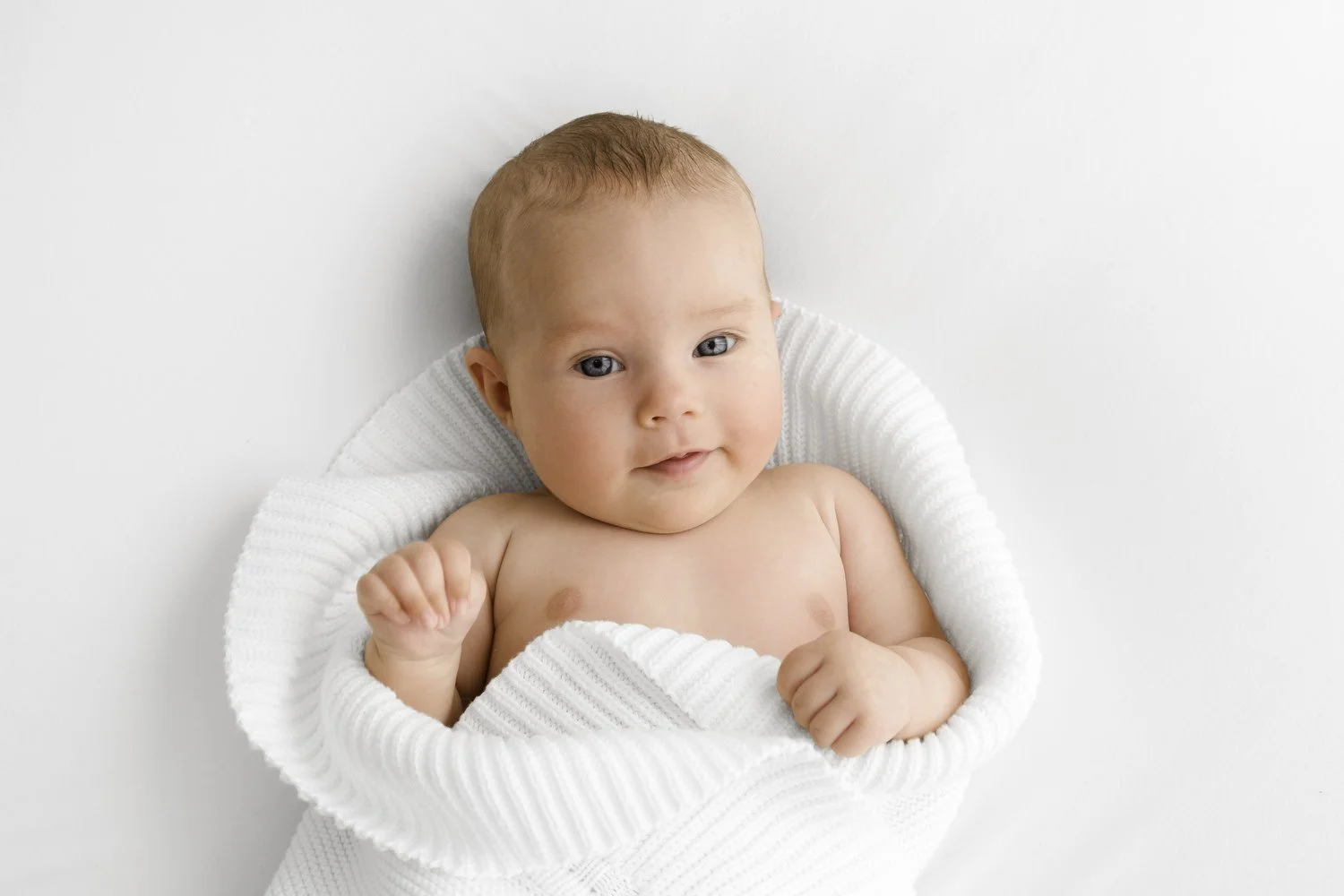
Three months is one of those ages that catches photographers off guard if they are not prepared for it. Your baby is no longer a sleepy curled newborn but they cannot sit unaided yet either. They are alert, expressive, easily distracted and can tire quickly. The session requires a different approach from a newborn session and a different approach from a sitter session.
Get it right and a 3 month old baby can give you some of the most characterful and expressive images in your entire portfolio. Get it wrong and you will spend the session chasing a baby who will not cooperate and end up with a gallery that disappoints everyone.
Here is how I approach it.
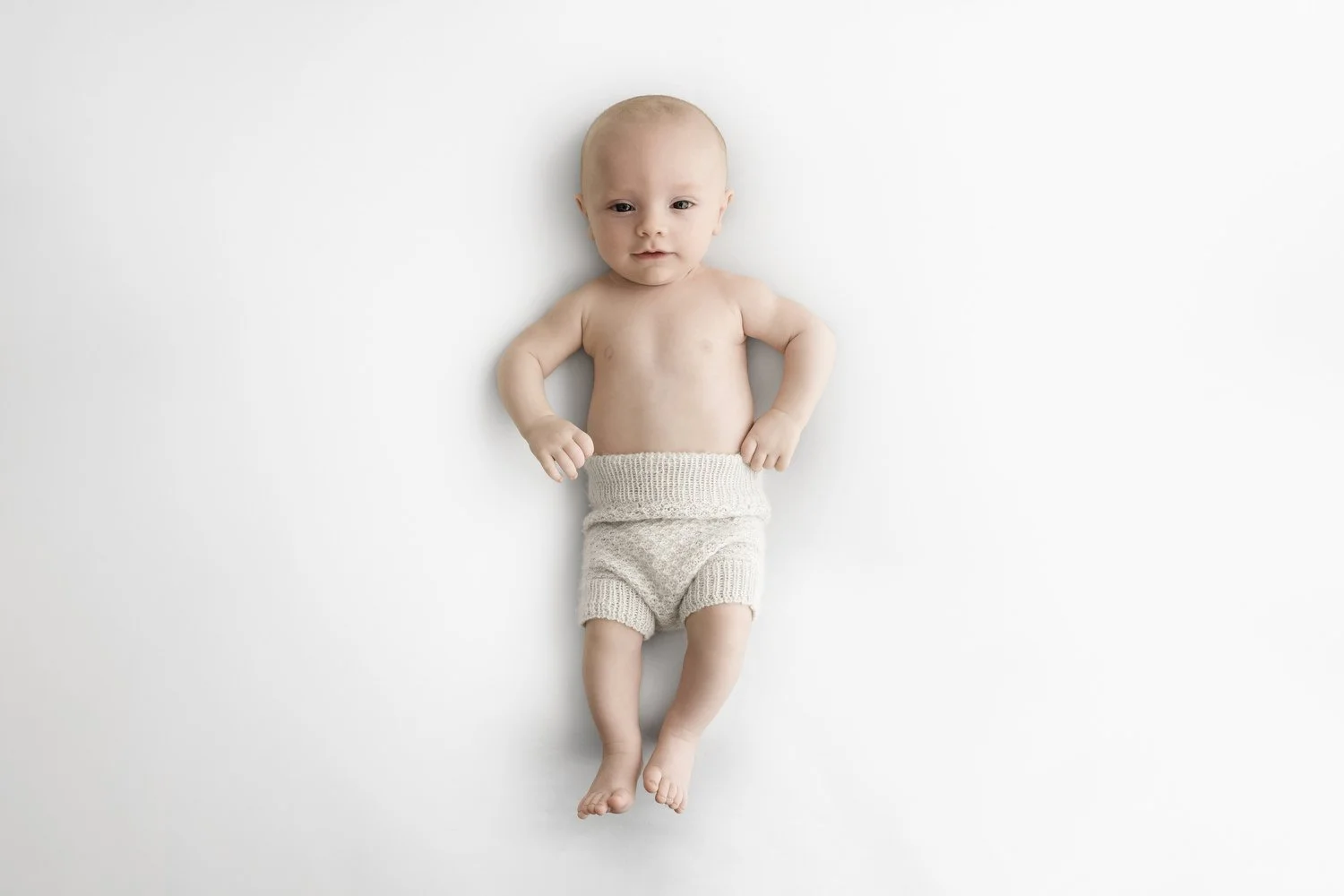
It is worth noting before we begin that babies develop at very different rates. You can read about photographing a 4 month old baby and a 5 month old baby in the other posts in this series. Everything in this post applies broadly to the 3, 4 and 5 month stage right up until a baby can sit unaided and moves into the sitter category. I have written separate posts for 4 months and 5 months but the principles are the same throughout. The main thing that changes as babies get older and stronger in this pre-sitter stage is how easily you can prop them up, which I will come to later.
Assess the Baby the Moment They Arrive
Before you do anything else, assess the baby. Are they awake or asleep? Have they just been fed or are they due a feed? Ask the parents about their feeding schedule and what makes the baby smile. This information shapes the entire session.
Everything should already be set up and ready before the family arrives. Your lighting is set, your beanbag is prepared, your shawls, blankets and spare rompers are to hand. Test your lighting before every session even if it never changes. You want to be able to get to work immediately without wasting a moment of whatever awake window you have.
Use Dad First
This is one of the most useful practical tips I can share for this age and it applies whether the baby is breastfed or bottle fed.
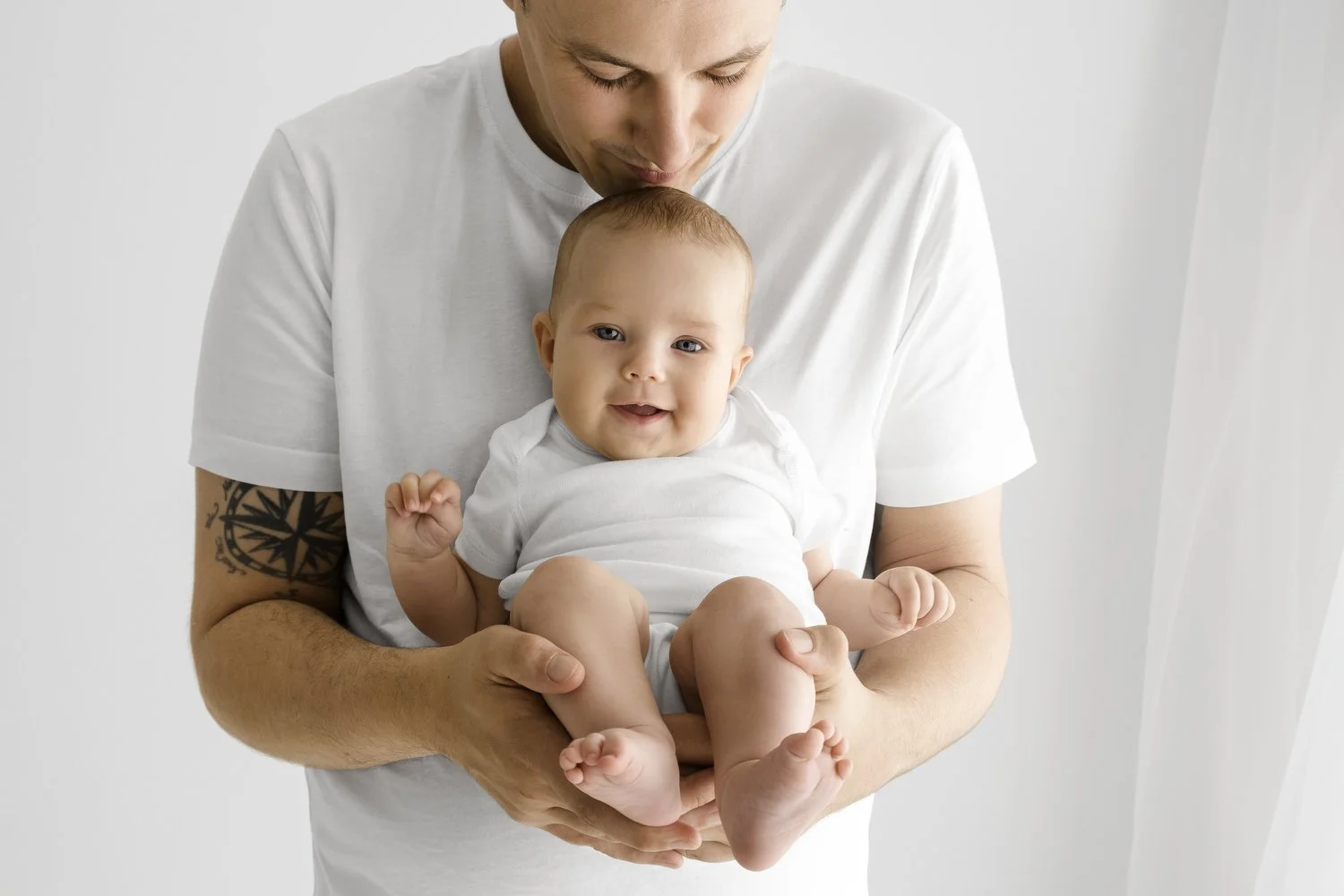
Always bring dad in to interact with the baby before mum. If the baby is breastfed they will still be reacting to the smell of mum's milk and her presence will make them hungry and unsettled very quickly. Even with a bottle fed baby, mum is most likely the primary feeder at home and the baby associates her presence with feeding.
I never ask who does the feeding as it can cause an awkward moment between parents. I simply presume mum is the primary feeder and bring dad in first. Ask dad to come close enough to catch the baby's attention and watch what happens. You will get beautiful images of the baby smiling upward at dad even though he is not in the shot. Make a note of this for the Reveal Session. Parents absolutely love knowing the story behind an image.
Use Your Screen Not Your Viewfinder
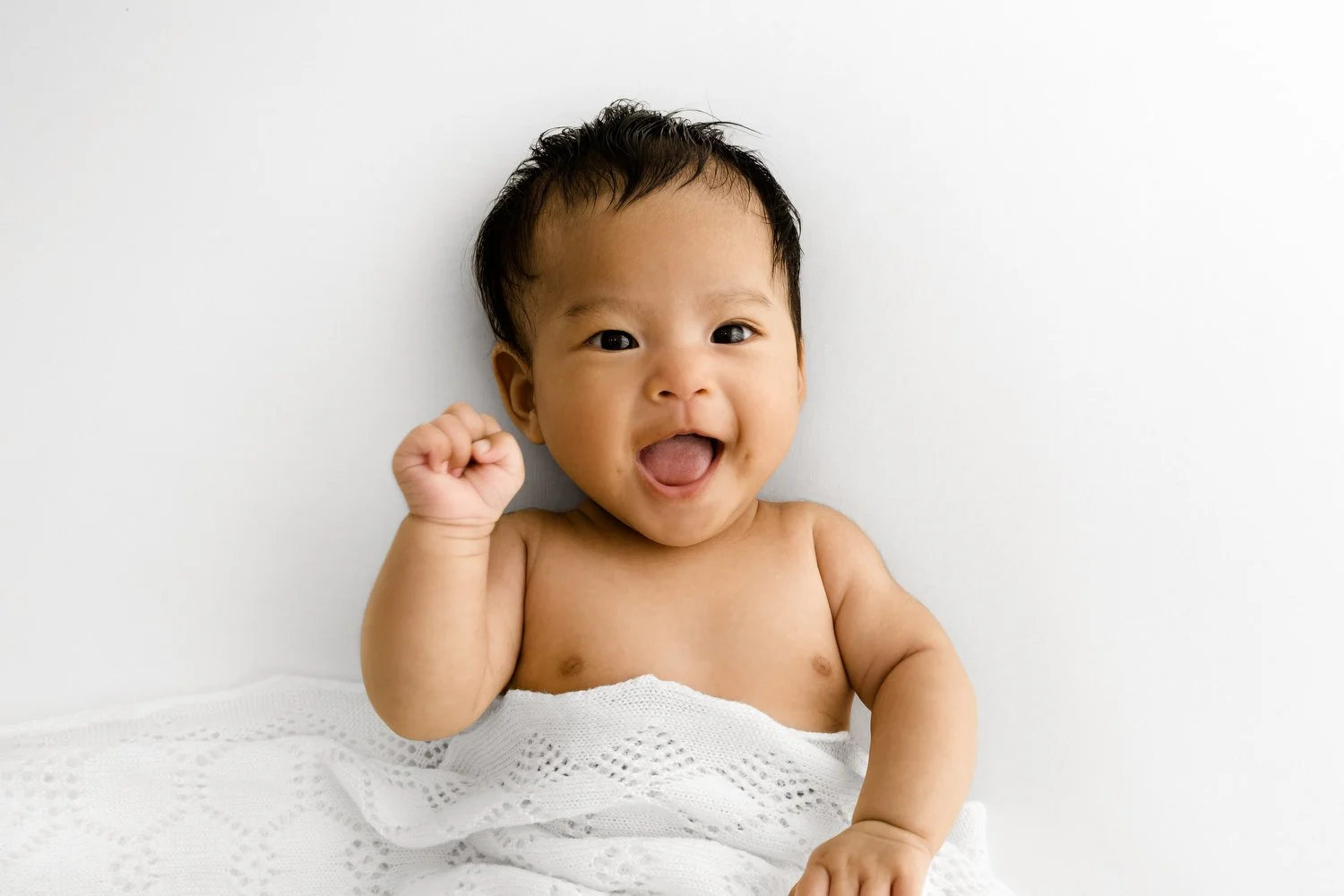
At this age eye contact in a photograph is pure gold. To get it you need to be visible to the baby, not hidden behind your camera.
I never use a viewfinder. I always shoot using my screen so I can peek out over the top of my camera, make eye contact, pull a silly face, make a little clucking sound or use a soft jingle bell to attract the baby's attention. Keep the jingle bell gentle. The goal is to intrigue them not startle them.
A baby at 3 months can only see clearly at around 12 to 14 inches so get close. If you are too far away they simply cannot see you and will not look towards your lens.
Work Quickly and Move Your Camera Not the Baby
Babies at this age tire easily and their little bodies can become uncomfortable from too much repositioning and handling. Do not over shoot each position and do not move the baby more than you need to.
Instead move your camera angle and move your beanbag in relation to the light. This is one of the great advantages of working on a beanbag. It is completely mobile and you can adjust your shooting angle quickly and quietly without disturbing the baby at all.
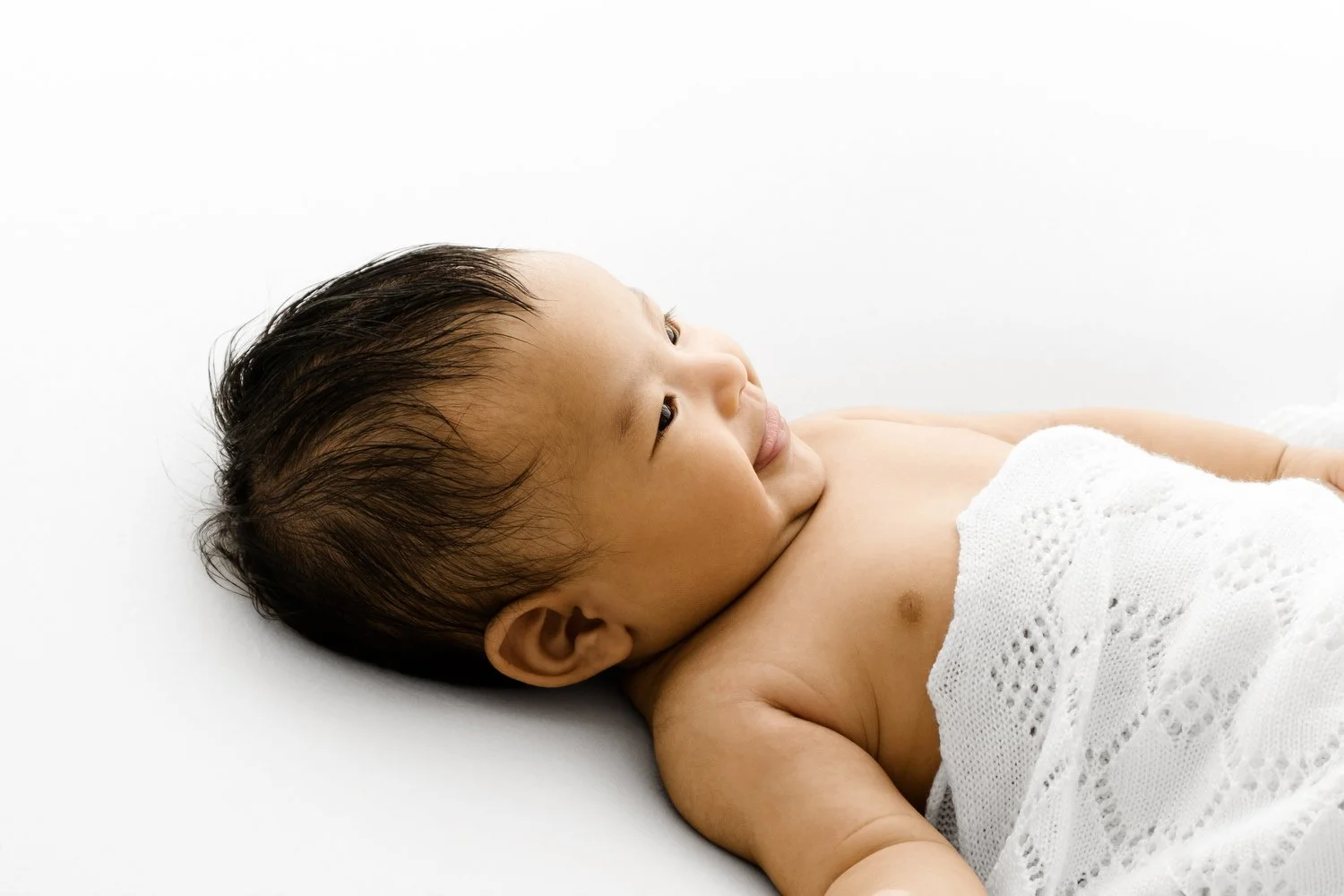
A profile shot close to the baby's face is one of the most powerful images you can create at this age. Every parent says it is unlike anything they could take themselves and it is almost always one of their favourites in the gallery. Get it early while the baby is fresh and engaged.
Aim for 10 Images and Get Parents In Early
My target for a session at this age is 10 images. That is enough for parents to order my most popular collection and it gives the gallery real variety. But do not wait until you have all your solo baby shots before you bring mum and dad in. Get a few images of just the baby first and then introduce the parents relatively early in the session. That way if the baby becomes unsettled you already have family images in the bag and can still deliver a beautiful gallery.
Keep a soft muslin handy and check with the parents that it is fine to gently wipe any milky dribbles before you shoot. It takes two seconds and saves you editing time later.
The Propped Cushion Position
At 3 months you can try propping baby up on a cushion for a sitting style portrait. Be honest with yourself about whether it is working. At this age it can take considerable time to get right and you may end up with a slumped baby and an image that parents will not choose over the others in their gallery. If it is not working quickly move on. Your time is better spent on positions you know will give you beautiful results. This position becomes significantly easier as the baby gets older and stronger, which is something I cover in my 4 and 5 month posts.
Never Leave a Rolling Baby Unattended
Babies at 3 months may be starting to master rolling and they can be faster than anyone expects, including their parents. Never leave a baby of this age unattended on the beanbag even for a second.
If you need to step away for any reason ask dad to stand right next to the baby and tell him clearly that it is so he can watch the baby is safe. Do not assume he understands why you are asking. He is sleep deprived, possibly not fully concentrating and may think he is simply being positioned for the next shot. Be explicit. Baby safety is always the priority.
Always Get a Sleepy Shot
Watch for the signs that the baby is tiring, yawns, stretches, heavy eyes. This is your cue to slow down, hand the baby back to mum or dad for a feed and a cuddle and use that time to go through your products and explain what happens next at the Reveal Session.
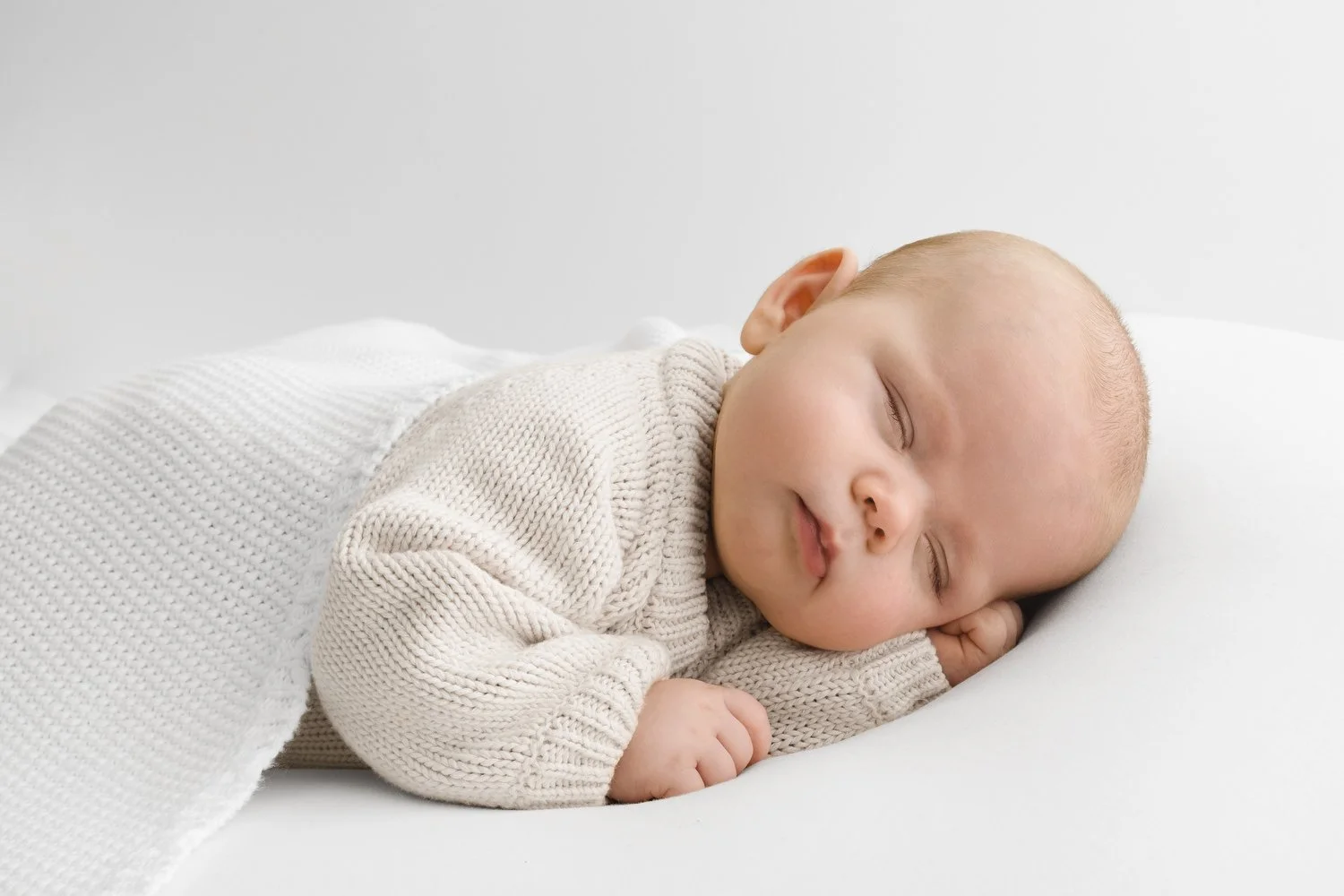
If the baby falls asleep take at least one sleeping image. Even if you have given up trying and the baby is fully dressed and ready to leave, if they drift off lie them on the beanbag, tuck a white shawl around them to cover their outfit and get that shot. It will complete the gallery beautifully and is worth the extra few minutes every single time.
If you would like to go deeper, my One-to-One Mentoring is built entirely around what you need, whether that's newborns, older babies, or everything in between, alongside the session structure and selling skills that turn a beautiful gallery into a profitable business.
If you'd rather start somewhere simpler, The Simple Six Beginners Course is a structured online course you can work through at your own pace.
Start The Simple Six Beginners Course
And the Flow Posing Guides give you ready made session flows so as every session feels relaxed.