How to Settle a Newborn Baby During a Photoshoot
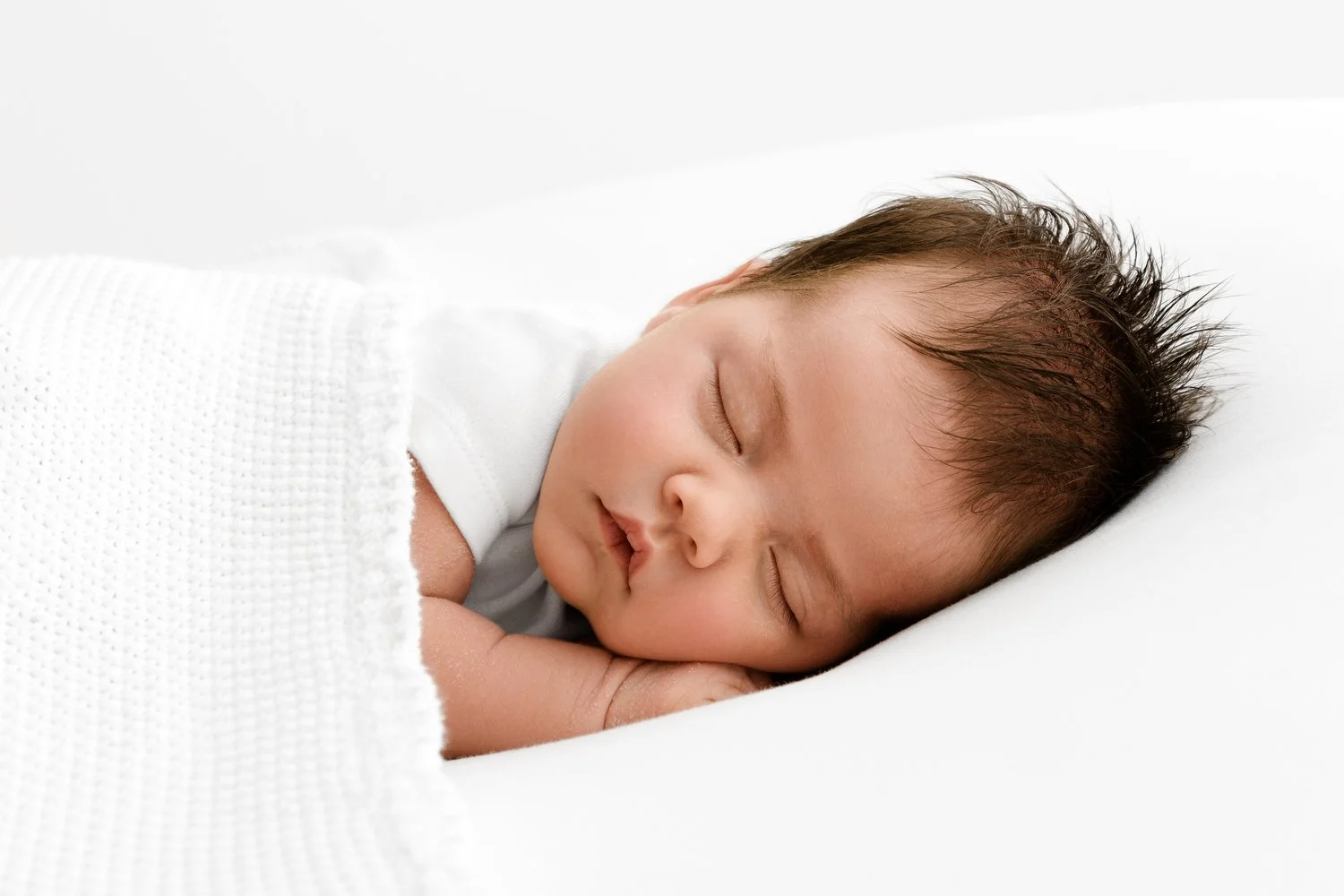
Settling a newborn is one of the things photographers worry about most before they start shooting newborns professionally. What if the baby will not stop crying? What if nothing works? What if the parents lose confidence in me?
The honest answer is that some babies settle easily and some take more time and patience. But there is a great deal you can do to create the right conditions for a calm session, and there is also a way of handling the sessions that do not go to plan that will leave parents feeling completely reassured rather than disappointed.
Here is everything I do.
Keep the Room Very Warm
This is the foundation of everything else. Newborn babies are used to the warmth of the womb and a cold room will make settling almost impossible. I keep my studio very warm throughout every session. Warm enough that I work in just a t-shirt.
Some photographers use a small fan heater positioned near the beanbag. I do not do this. A fan heater creates hot spots of air which risk overheating a baby unevenly, and it gets in the way and creates a tripping hazard. A consistently warm room is far safer and more effective.
Use White Noise and a Shusher
I use white noise, a shusher machine and a vibrating machine in every session. The constant sound of white noise mimics the environment of the womb and is incredibly effective at calming a newborn. Most babies respond to it quickly and it is one of the simplest and most reliable tools in a newborn photographer's kit.
Understand the Moro Reflex
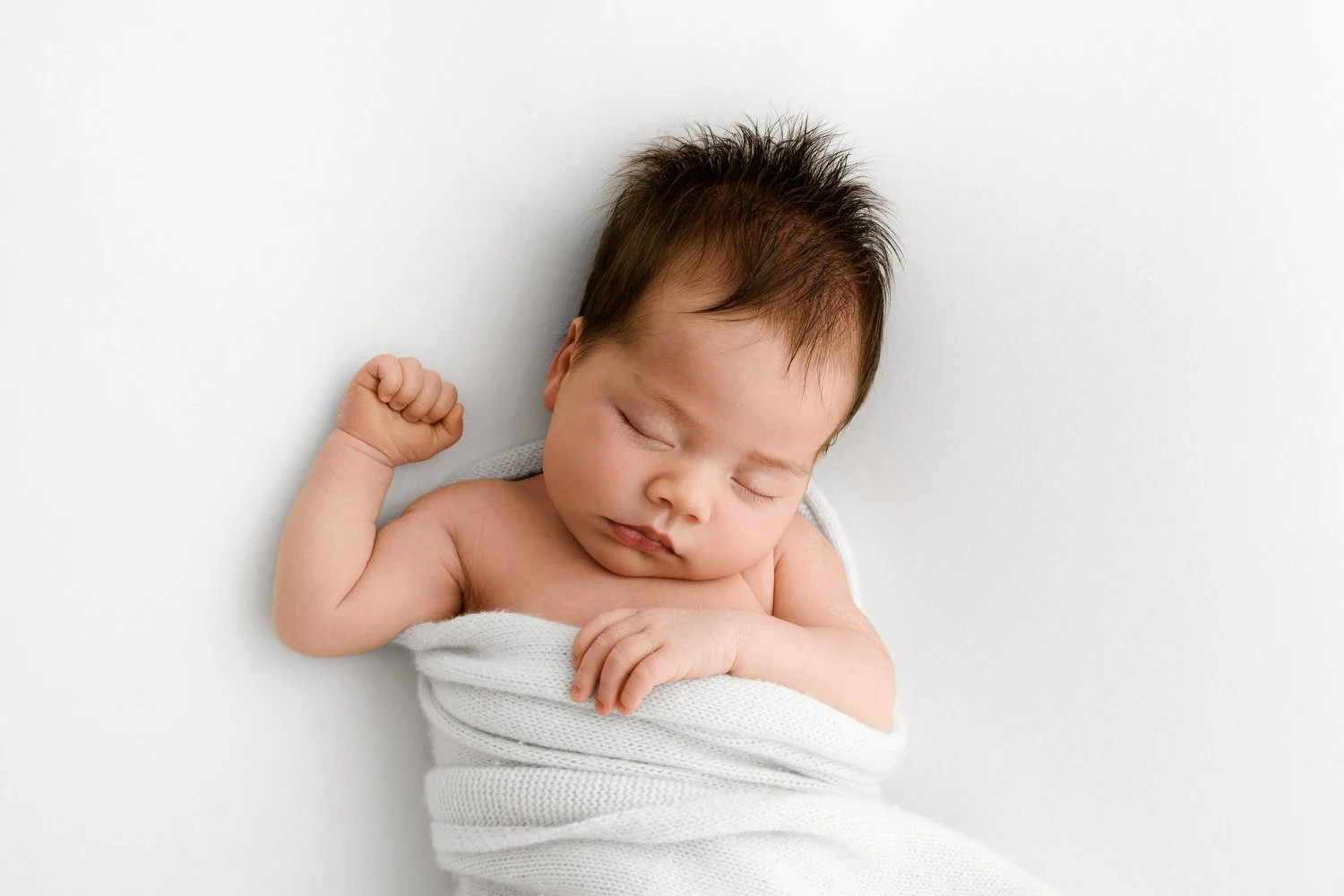
This is something every newborn photographer should know. Babies are born with what is called the Moro reflex, or as we say in Scotland, they can give themselves a wee fright. It is an involuntary startle response where a baby suddenly throws their arms and legs outward, often waking themselves up in the process.
This is why babies were traditionally swaddled, keeping their arms and legs tucked in prevented the Moro reflex from disturbing their sleep. Tight swaddling is no longer recommended as the reflex plays an important role in developing the nervous system. However keeping a baby lightly tucked in for a short period during a session is completely safe and will help them settle much more easily. A gentle wrap or soft blanket tucked loosely around them does the job perfectly.
Use a Beanbag
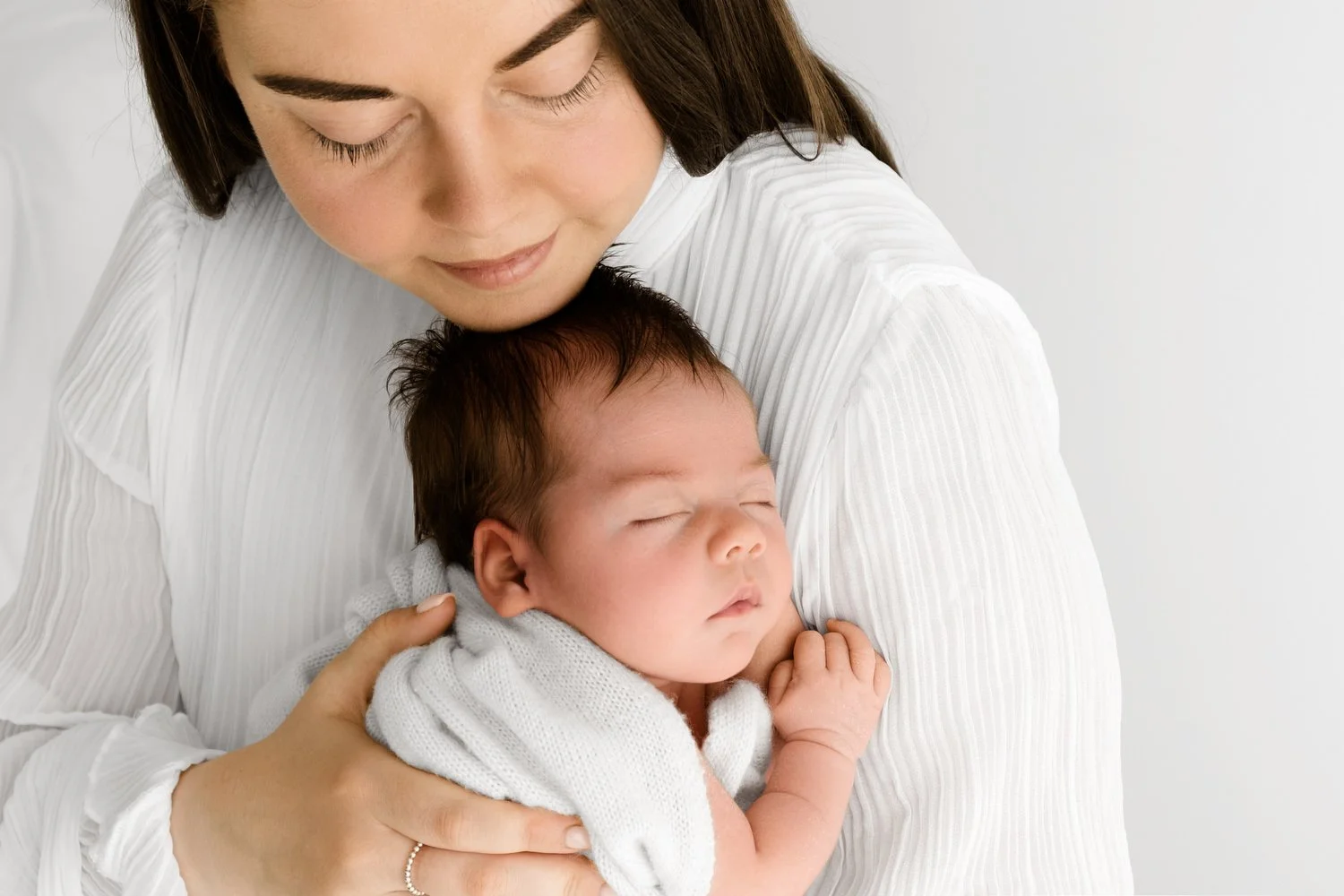
A beanbag is the ideal surface for a newborn session. It is soft, supportive and moulds gently around the baby so they feel held and secure even when they are lying independently. I use mine for the majority of my sessions and it makes a significant difference to how quickly and easily a baby settles.
Never Do Anything Quickly
This is one of the most important practical tips I can share. Speed is the enemy of a settled newborn. Every movement, every transition, every adjustment should be done slowly and deliberately.
I can spend 5 minutes removing a baby's vest. That is not wasted time, it is the work. Moving quickly startles babies, disrupts their sleep and undoes all the settling work you have just done. Slow down more than you think you need to and then slow down a little more.
This applies to parents too. If a parent is placing their baby on the beanbag or handing them over, guide them to do it very slowly. Show them with your hands if needed. A slow gentle transfer keeps a settled baby settled.
Keep the Parents Calm
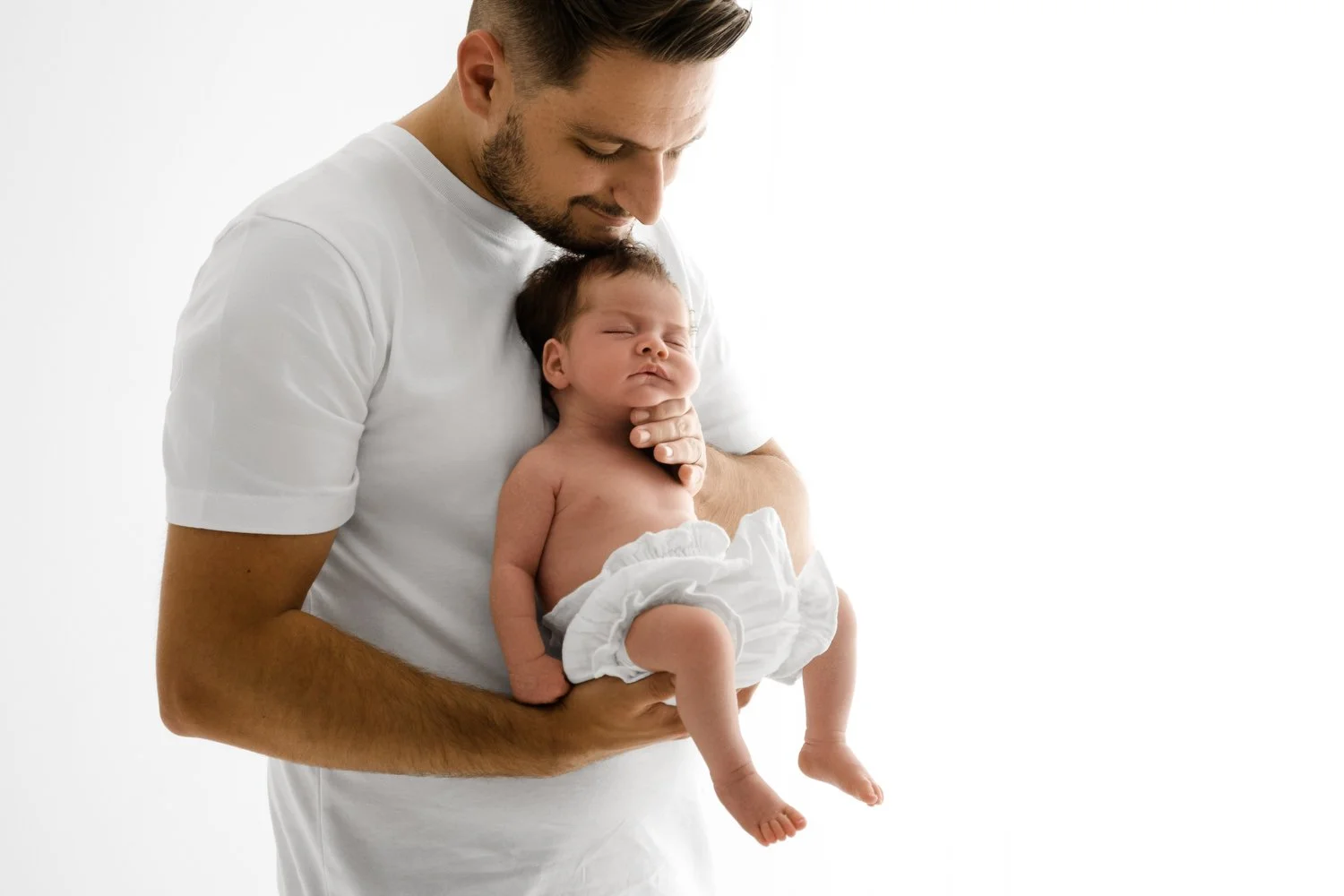
This is arguably the most important thing on this list. Babies are extraordinarily sensitive to the emotional state of the people around them. If a parent is anxious, tense or worried the baby will feel it. A calm room full of calm adults gives a newborn the best possible chance of settling.
Part of your job as a newborn photographer is to make parents feel completely at ease from the moment they arrive. Be confident, be warm, reassure them that everything is going exactly as it should. Even if the baby is unsettled, your calm presence tells them that this is normal and manageable. Because it is.
I always chat to parents throughout the session and use a little humour when it feels natural. It lightens the atmosphere and reminds them that this is meant to be an enjoyable experience. That said, warmth and humour have to be genuine. If it is not your personality do not force it. What matters most is that parents feel safe, seen and completely at ease in your company.
Mums in particular can feel very vulnerable in those first days after giving birth. One of the things they worry about most is being the parent whose baby screams the place down. They also worry, and this is something most photographers never address, that if their baby cries the photographer will keep persevering rather than handing the baby back. It is worth saying this out loud to parents at the start of a session. Let them know that if their baby needs them at any point you will hand the baby straight back, no questions asked, and the photographs will simply wait. That single reassurance can completely transform the energy in the room.
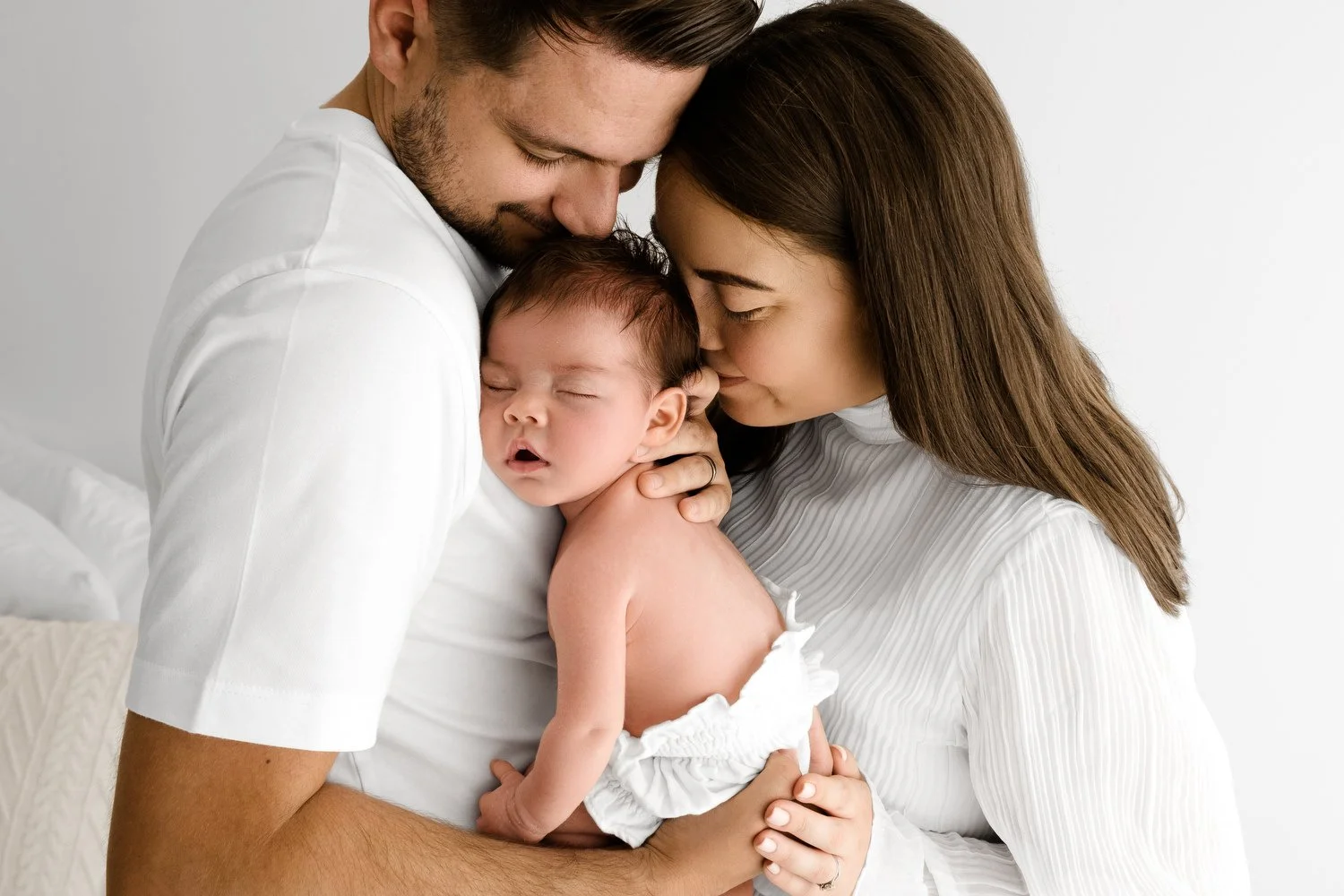
A Few Small Tricks That Work
Every photographer develops their own set of techniques over time. A couple that work reliably for me are gently stroking a baby's forehead in a slow downward motion, and rocking them very gently on the beanbag rather than picking them up. Both can tip a baby from the edge of unsettled into a deep comfortable sleep.
When a Baby Does Not Settle
There is no need for a baby of any age to be crying in your studio. If a baby is unsettled, stop. Hand them back to their parents and let mum or dad calmly soothe or feed them. The photographs can wait. A fed, settled, calm baby will give you far better images than a distressed one and the parents will leave feeling that their baby was genuinely cared for throughout.
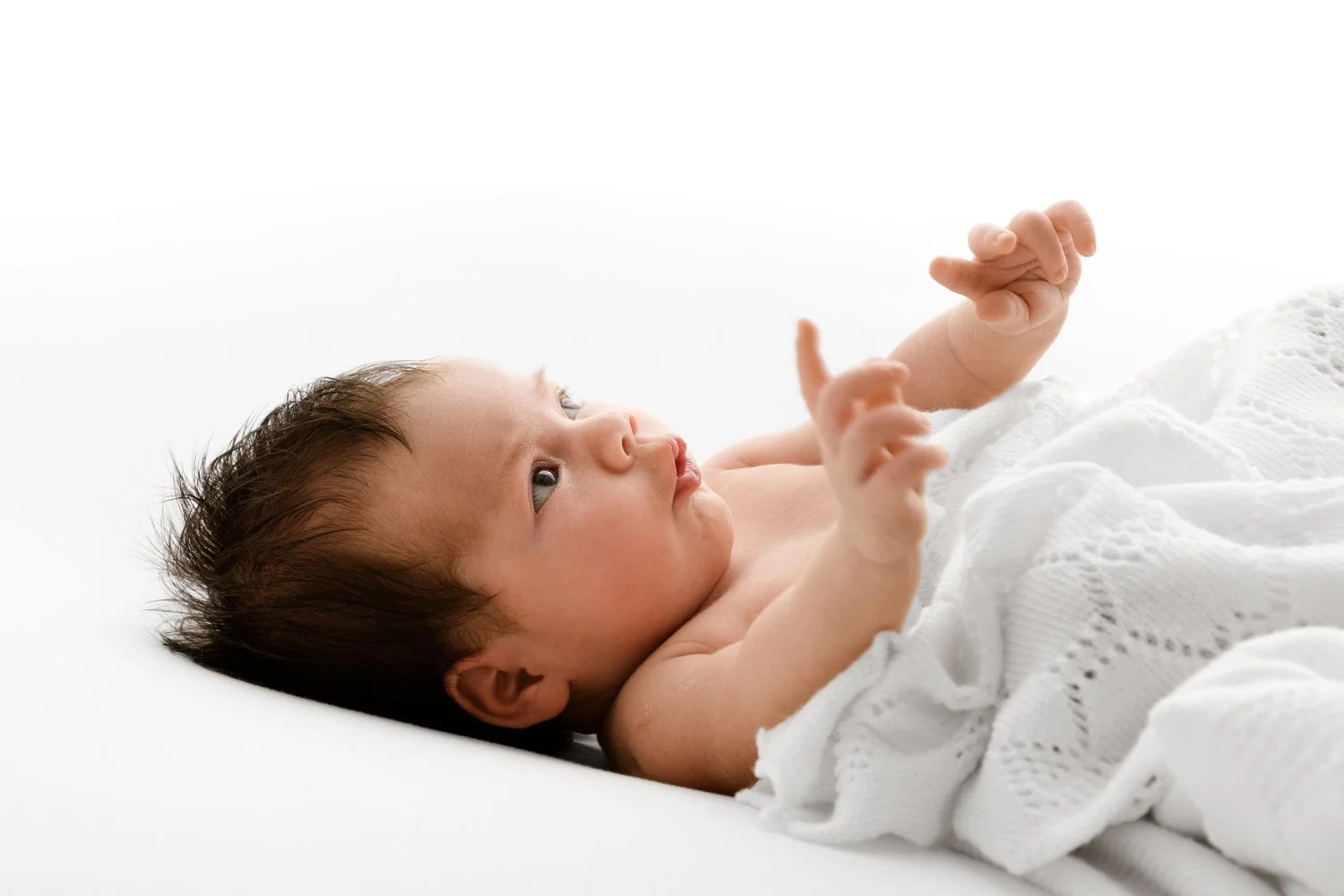
Sometimes a baby will not settle into a deep sleep and that is completely normal. It does not mean the session has failed. In lifestyle newborn photography an awake, alert, characterful baby can produce some of the most beautiful and expressive images in an entire gallery. A baby looking directly at camera with wide curious eyes is one of the most powerful lifestyle newborn images you can create. It is real, it is honest and parents absolutely love it.
The ability to remain calm, adapt your workflow and still produce a gallery that parents will adore is one of the most valuable skills you can develop as a newborn photographer. It comes with experience and it starts with believing that whatever happens in the session, you can work with it.
You can read more about making the most of those awake windows in my guide to how to photograph an awake newborn.
If you would like to go deeper, my One-to-One Mentoring is built entirely around what you need, whether that's newborns, older babies, or everything in between, alongside the session structure and selling skills that turn a beautiful gallery into a profitable business.
If you'd rather start somewhere simpler, The Simple Six Beginners Course is a structured online course you can work through at your own pace.
Start The Simple Six Beginners Course
And the Flow Posing Guides give you ready made session flows so as every session feels relaxed.